
In our culture obsessed with high-intensity workouts, Zone 2 training is often dismissed as "too easy" to be effective. Nothing could be further from the truth.
What is Zone 2 Training?
Zone 2 refers to exercising at an intensity where you can still hold a conversation but feel like you're working. Physiologically, it's the intensity at which your body maximally utilizes fat for fuel while maintaining aerobic metabolism.
You can identify Zone 2 by:
The Metabolic Benefits
Zone 2 training creates profound metabolic adaptations:
Mitochondrial Biogenesis: Your cells create more mitochondria—the powerhouses that generate energy. More and better-functioning mitochondria mean better metabolic health and longevity.
Fat Oxidation: You train your body to efficiently burn fat for fuel, improving metabolic flexibility.
Insulin Sensitivity: Regular Zone 2 work dramatically improves how your body handles glucose.
Capillary Density: Increased blood vessel networks improve oxygen and nutrient delivery to tissues.
How Much Zone 2 Should You Do?
For optimal metabolic health and longevity, aim for:
Yes, this seems like a lot—because it is. But the payoff is enormous.
Common Zone 2 Activities
The key is maintaining consistency. Zone 2 should feel sustainable—something you could maintain for an extended period.
Beyond Cardio: The Longevity Exercise Prescription
While Zone 2 training is crucial, a complete longevity-focused program includes:
Measuring Your Progress
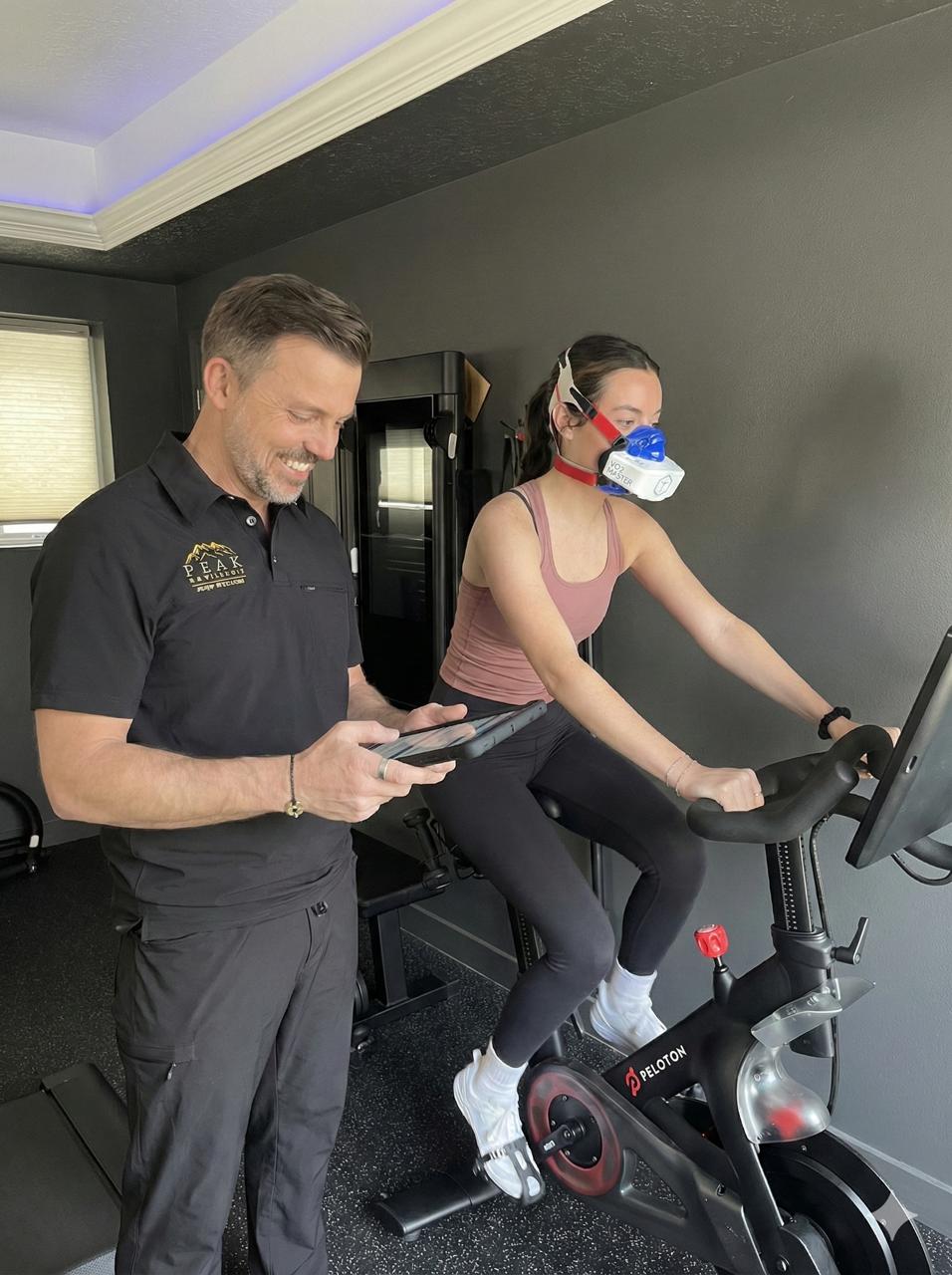
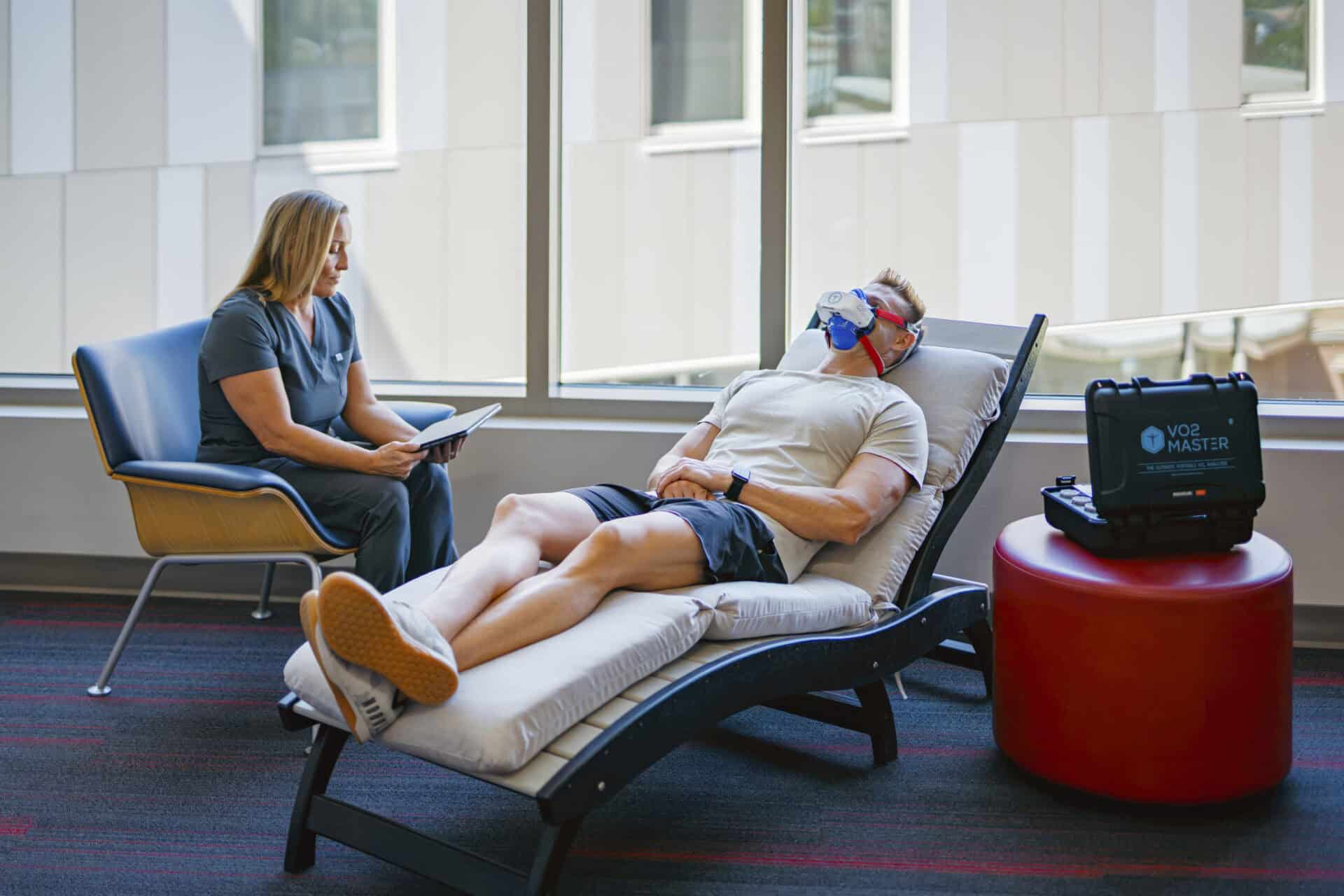
At Peak Healthspan, we use lactate threshold testing and VO2 Max assessments to precisely identify your Zone 2 range and track improvements in:
The data doesn't lie: Zone 2 training works. The question is, will you prioritize it?