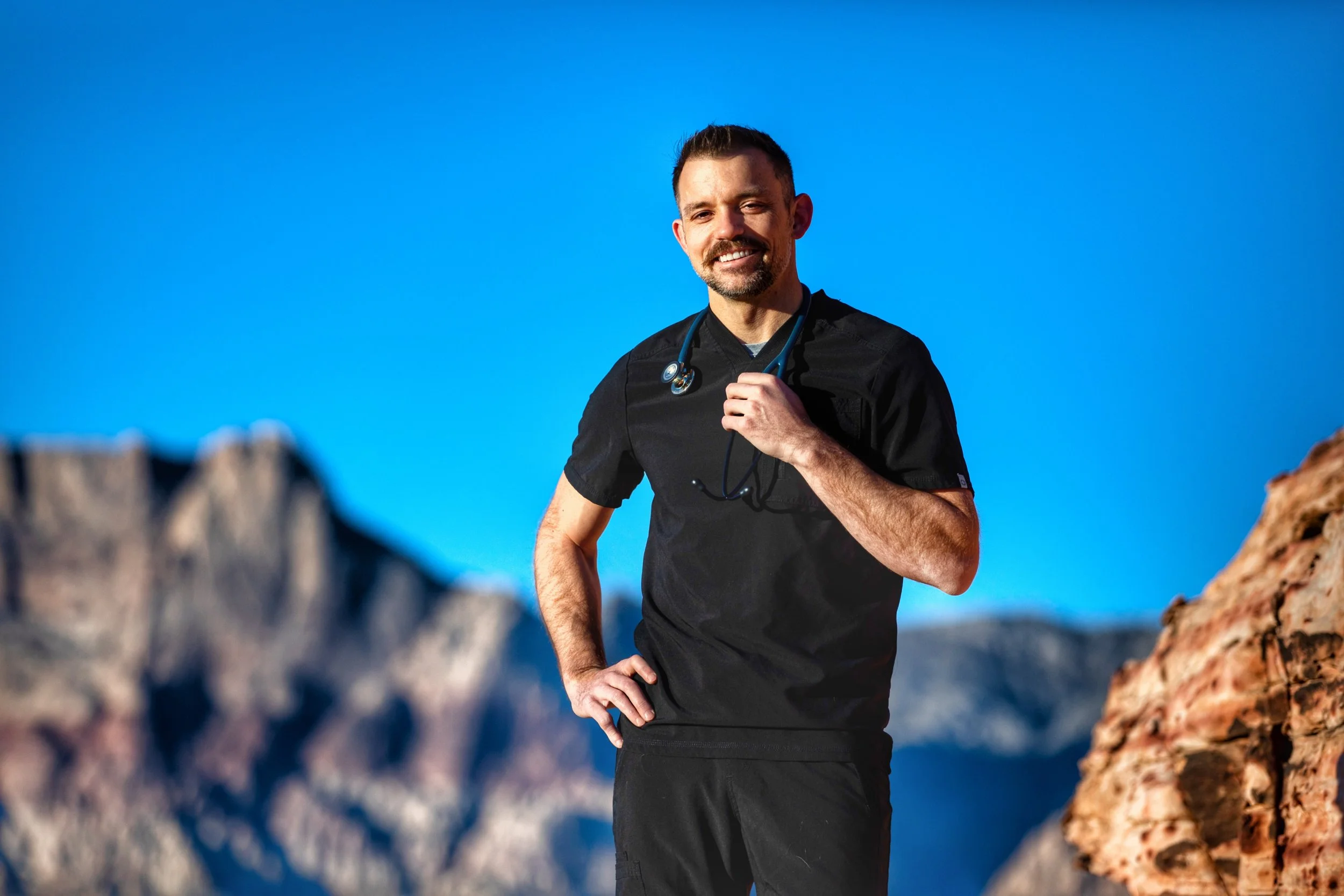
I have spent my career on both sides of the medical certificate process. As a USAF Flight Surgeon, I flew alongside the pilots I cared for — nearly 200 hours in the F-16 Fighting Falcon. I understood, viscerally, that keeping a pilot healthy was not just good medicine. It was mission readiness. Later, as a Senior HIMS Aviation Medical Examiner (AME) and Emergency Medicine physician, I watched from the other side of the desk as careers ended — not in crashes, but in clinic waiting rooms. Pilots who had spent decades building their careers, only to lose their medical certificates to conditions that were years in the making and entirely preventable.
This article is for every commercial, regional, corporate, and general aviation pilot who has ever assumed their annual AME visit was enough.
It is not.
The Stakes Are Different for Pilots
For most people, developing hypertension or metabolic syndrome means a conversation with their doctor, a prescription, and some lifestyle changes. It is serious, but life goes on. For a pilot, the same diagnosis triggers an FAA reporting obligation, a potential grounding, and — depending on how it is managed — the possibility of a medical certificate that is never renewed.
Your medical certificate is not just a piece of paper. It is the license to do the thing you trained for, often for decades. The financial consequences of losing it mid-career are catastrophic. And yet the vast majority of pilots I see in my clinic have received exactly the same reactive, episodic healthcare as everyone else — a physical once a year, labs ordered if something seems off, and a vague recommendation to "eat better and exercise more."
That is Healthcare 1.0. Pilots cannot afford Healthcare 1.0.
The Physiological Reality of the Cockpit
Commercial and military aviators operate in an environment that quietly accelerates aging and metabolic dysfunction in ways that most physicians — and most pilots — do not fully appreciate.
Chronic hypoxic stress. At cruise altitude, even pressurized cabins typically maintain an equivalent altitude of 6,000–8,000 feet. Repeated exposure to mild hypoxia elevates cortisol, suppresses testosterone, and stresses cardiovascular regulation. Over decades, this adds up.
Circadian disruption. Irregular schedules, time zone crossings, and early-morning report times chronically suppress melatonin, elevate inflammatory markers, impair insulin sensitivity, and accelerate cognitive aging. Shift work is one of the strongest independent predictors of cardiovascular disease and metabolic syndrome we know of.
Cosmic radiation. Commercial aircrew receive more ionizing radiation annually than any other occupational group classified by the FAA. Long-haul international pilots can accumulate doses approaching nuclear industry worker limits. The implications for DNA repair, cancer risk, and cellular aging are real.
Sustained vigilance demands. Hours of high-stakes situational awareness, with catastrophic consequences for lapses, place unique demands on executive function, working memory, and stress regulation. Cognitive reserve matters — and it erodes faster in a body that is metabolically unhealthy.
Sedentary long-haul posture. Extended periods of sitting at altitude, often in cramped jumpseats, impair venous return and contribute to the cardiovascular and metabolic sequelae of sedentary behavior — even in pilots who exercise when they are home.
None of this is unknown. What is underappreciated is the cumulative effect of all of these stressors across a 20- or 30-year career.
The Conditions That Ground Pilots — And Why They Are All Preventable
The FAA disqualifies pilots for a relatively small list of conditions, most of which share a common upstream cause: years of metabolic neglect that was never caught early enough to correct. Let me walk through the most common ones.
Cardiovascular Disease
Cardiovascular disease is the leading cause of unexpected incapacitation in the cockpit and the most common reason for Class 1 medical certificate loss. The FAA screens aggressively for it — and rightly so. But by the time an AME finds an abnormal stress test or a cardiologist diagnoses coronary artery disease, the pathology has been progressing silently for a decade or more.
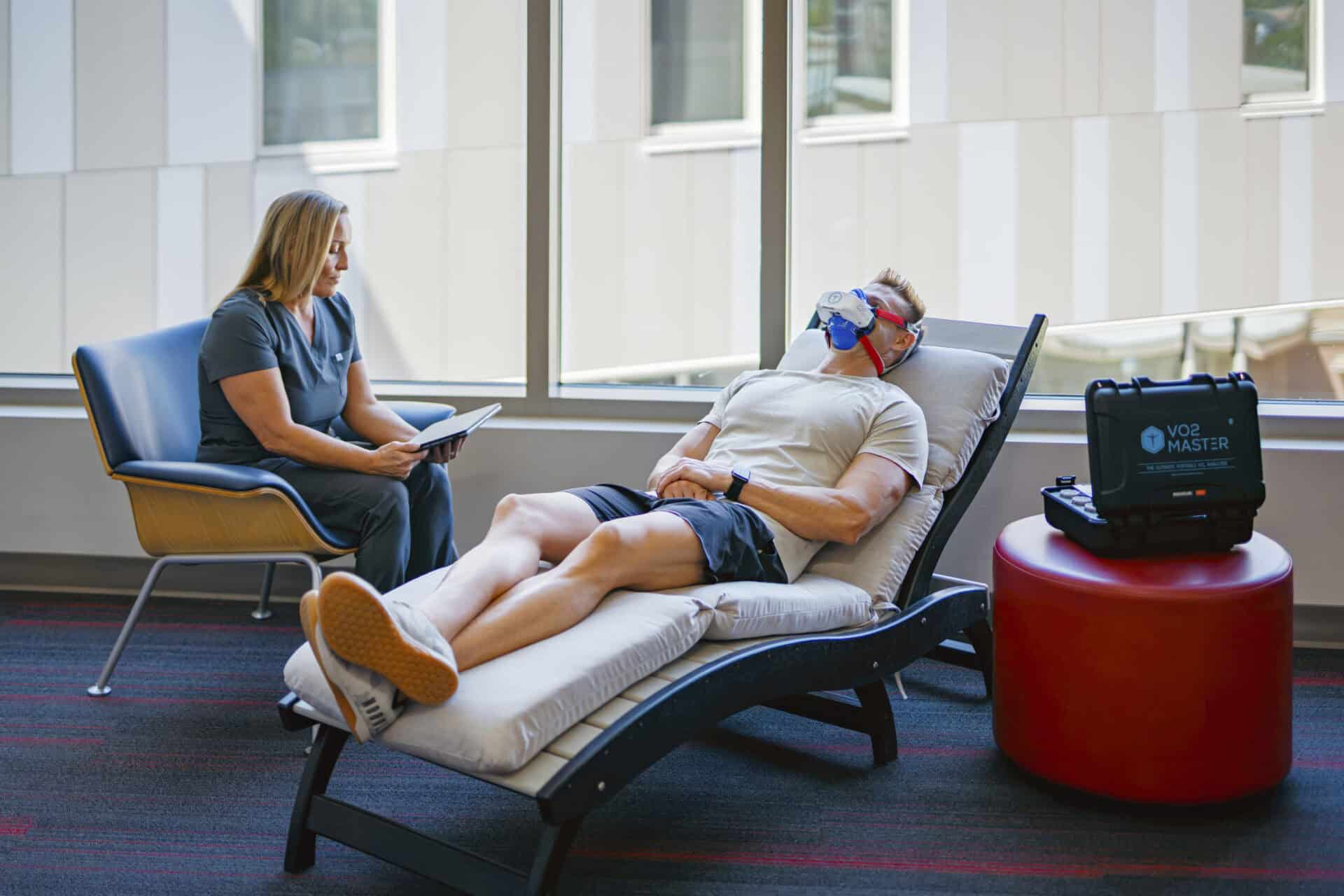
The good news is that cardiovascular risk is extraordinarily detectable and modifiable long before it becomes disqualifying. A coronary artery calcium (CAC) score in your 40s tells us more about your actual cardiovascular trajectory than almost any other single test. Advanced lipid panels — looking beyond total cholesterol to ApoB, Lp(a), and oxidized LDL — reveal the atherogenic pattern that standard labs miss entirely. VO₂ max is a more powerful predictor of cardiovascular mortality than most risk calculators we use clinically.
These tests exist. They are available. Most pilots have never had them.
Metabolic Disease and Obesity
Obesity and diabetes are both disqualifying conditions for Class 1 certification — but the conditions that precede them by years (insulin resistance, metabolic syndrome, pre-diabetes) are not, and they are the window in which everything is still reversible.
Body weight on a scale is a poor proxy for metabolic health. I have seen 185-pound pilots with 32% body fat and sarcopenia that would disqualify them from many occupations requiring physical capability. I have seen 220-pound pilots with 18% body fat, excellent muscle mass, and the metabolic profile of someone twenty years younger. DEXA body composition scanning gives us the actual data — lean mass, visceral fat, bone density — that a scale cannot.
For pilots already managing weight, the emergence of GLP-1 receptor agonist medications (semaglutide, tirzepatide) has transformed what is possible. These are not fad treatments. They are the most effective pharmacological weight loss agents ever studied, with meaningful cardiovascular outcome data. The FAA has issued guidance on their use, and with proper documentation, pilots can use these medications and maintain their medical certificates under CACI protocols. This requires a provider who understands the FAA landscape — not just the pharmacology.
Hormone Decline
Testosterone naturally declines in men beginning in the mid-30s, accelerating with poor sleep, metabolic dysfunction, and the kind of chronic physiological stress that cockpit careers produce. Low testosterone contributes to fatigue, depression, reduced cognitive sharpness, loss of muscle mass, and increased cardiovascular risk — all of which affect flight safety long before they become clinically obvious.
Hypogonadism is a CACI-eligible condition. Properly diagnosed, properly treated, and properly documented, a pilot can be on testosterone replacement therapy and hold a Class 1 medical certificate. But the documentation requirements are specific, the stability period matters, and the treatment protocol must be managed by a provider who knows the CACI worksheet — not just an endocrinologist who has never heard of one.
Cognitive Decline
This is the one pilots do not talk about. Neurodegenerative disease is not a sudden event. It begins with subtle changes in processing speed, working memory, and executive function that can precede a diagnosis by fifteen years or more. The cockpit, with its demands for divided attention, rapid decision-making under pressure, and situational awareness, is one of the least forgiving environments for early cognitive change.
What we now understand is that brain health is largely a metabolic and vascular phenomenon. The same cardiovascular risk factors — insulin resistance, dyslipidemia, hypertension, chronic inflammation — that clog coronary arteries also impair cerebral blood flow and accelerate neurodegeneration. Optimizing metabolic health is, by extension, optimizing brain health. This is not a minor point. It is the core argument for why longevity medicine matters to pilots in ways that go beyond what any AME visit will ever catch.
What Aggressive Preventive Medicine Actually Looks Like
I use the word "aggressive" deliberately. I do not mean reckless or experimental. I mean systematic, data-driven, and proactive — not waiting until something shows up on an AME exam to start paying attention.
A proper longevity evaluation for a pilot should include, at a minimum:
These diagnostics are not exotic. They are the standard of care in modern longevity medicine. They are simply not available in the reactive healthcare system most pilots use.
The FAA Compliance Piece
I want to be direct about something that I see pilots misunderstand. The goal of proactive health management is not to hide conditions from the FAA. It is to identify and address them early enough that they never become disqualifying — or if they do, to manage them within the established CACI and special issuance frameworks so that a certificate loss is avoided or, when it does occur, is temporary.
CACI conditions — those an AME can certify without special issuance — include hypertension, hyperlipidemia, hypothyroidism, low testosterone (hypogonadism), and, more recently, certain weight loss medication protocols. Obstructive sleep apnea (OSA) is not a CACI condition; it requires FAA Special Issuance, which involves additional documentation and a formal review process. Managing CACI-eligible conditions proactively, with proper documentation, keeps pilots flying — and understanding the distinction between CACI and Special Issuance is critical to navigating the process correctly.
The pilots who lose their certificates permanently are usually those who let conditions progress untreated until they are no longer CACI-eligible, or who are treated by providers who don't understand the documentation requirements. A blood pressure of 145/92 managed with a single medication, well-documented, with a stability record, is a CACI condition. Untreated hypertension that leads to left ventricular hypertrophy or a hypertensive urgency is not.
At Peak Healthspan, we have built programs specifically around the FAA regulatory framework. Our providers include a Senior HIMS AME who understands both the clinical and the regulatory side of aviation medicine. We prepare the documentation your AME needs. We don't replace your AME relationship — we strengthen it.
The Career Investment Argument
I recognize that longevity medicine requires time and financial investment. I also recognize that a commercial pilot's career is worth, over its lifetime, somewhere between $3 million and $8 million in earnings, depending on seniority and carrier. A regional captain's career is worth less; a major carrier wide-body captain's career is worth more. In either case, the math is not complicated.
The cost of a comprehensive metabolic evaluation and a year of proactive management is a rounding error compared to the career you are protecting. The cost of losing your Class 1 medical at age 52 — before the pension vests, before the kids are through college, before you planned to stop — is immeasurable.
This is not a wellness pitch. It is a career risk management argument. Treat it like one.
Your Next Step
If you are a pilot — professional or otherwise — and you have never had a formal longevity evaluation, this is the moment to change that. Not because your next AME visit is coming up, but because the conditions that end careers are already quietly developing in the bodies of pilots who feel perfectly fine.
Peak Healthspan was built specifically to address the gap between the reactive healthcare system and the proactive, data-driven medicine that high-performance lives require. We offer FAA-compliant programs for pilots that are designed around your certification requirements, not just your health goals — because for you, they are the same thing.
You preflight the aircraft. Preflight yourself.
---
*Dr. Rocky Jedick is a Co-Founder of Peak Healthspan, a Senior HIMS Aviation Medical Examiner, and a former USAF Flight Surgeon with nearly 200 flight hours in the F-16 Fighting Falcon. He is also the Founder and Owner of Go Flight Medicine, a network of FAA aviation medicine clinics across Utah and Colorado. He completed his Emergency Medicine residency at the University of Utah and serves on the University of Utah faculty. He can be reached at Peak Healthspan, 868 S McClelland St, Salt Lake City, UT 84102.*